

Originally reported by Bloomberg.
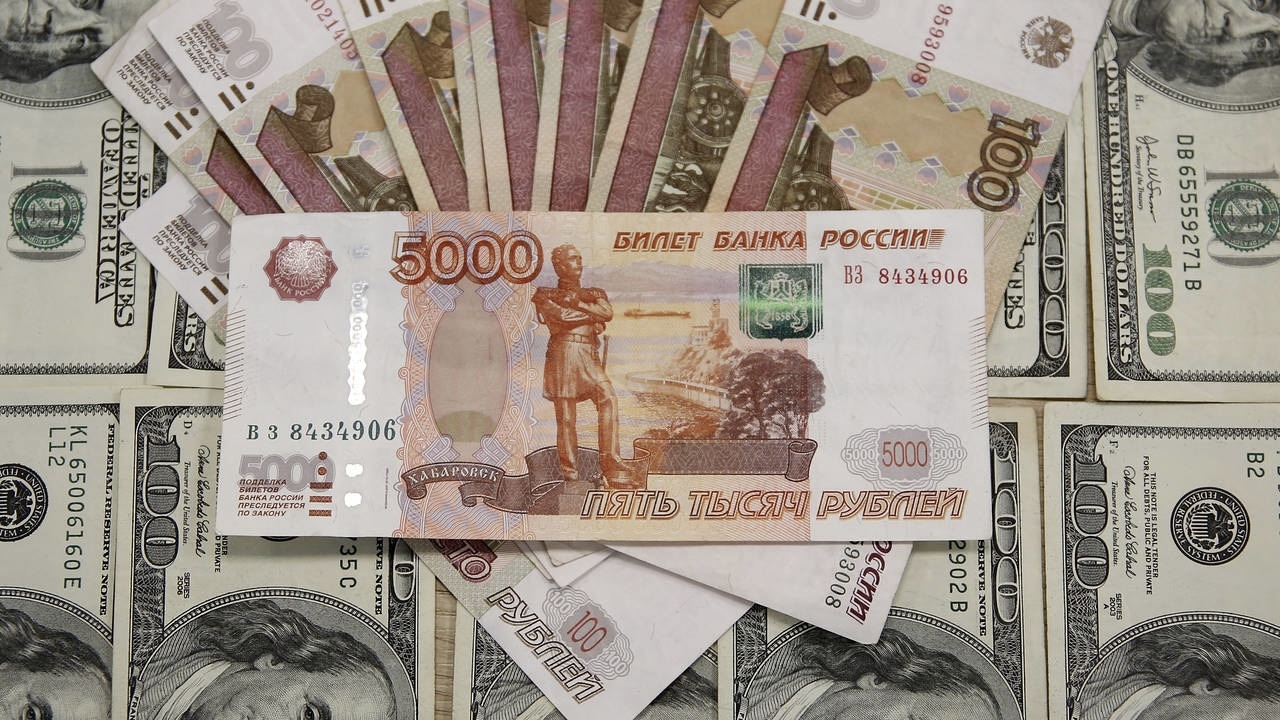
In a surprising turn on the global stage, Russia’s ruble has emerged as the world’s best-performing currency in 2025, soaring 38% against the US dollar in over-the-counter trading. This remarkable climb has outpaced even traditional safe-haven assets like gold, which rose 23% over the same period.
While the US dollar struggles under the weight of escalating trade tensions driven by President Trump’s tariff policies, the ruble’s ascent is being powered by a combination of Russia-specific factors. Among them: ultra-high domestic interest rates, stringent capital controls, and a relatively insulated financial system.
“Unlike other emerging market currencies, the ruble hasn’t faced the same outflow pressures from risk-averse global investors,” said Sofya Donets, economist at T-Investments. “Capital controls and elevated borrowing costs are providing key support.”
The Bank of Russia’s hawkish stance—holding the key rate at a striking 21%—has sharply reduced demand for imports and foreign currencies. Exporters are also mandated to convert a portion of their earnings into rubles, further strengthening the currency. At the same time, Russian companies are refinancing expensive local debt through cheaper yuan-denominated loans, which has led to more foreign currency being exchanged into rubles.
Adding momentum, international investors—some from countries maintaining cordial ties with Moscow—are reviving interest in the carry trade, drawn by the ruble’s high yields. A perceived thaw in US-Russian relations is also nudging sentiment in the ruble’s favor, according to Iskander Lutsko, head of research at Istar Capital.
Domestically, the ruble has gained 19% against the dollar this year, according to the Bank of Russia, reaching 82.77. However, that figure trails offshore markets due to discrepancies caused by extended local holidays at year-end and ongoing suspensions of dollar trading on the Moscow Exchange following US sanctions.
Interestingly, Russia’s own government didn’t anticipate such strength. Its 2025 budget is based on an average exchange rate of 96.5 rubles per dollar—14% weaker than the current level. This unexpected surge, combined with falling oil prices, could negatively impact projected export revenues.
Despite a backdrop of US-led sanctions over the 2022 invasion of Ukraine, domestic economic measures and policy choices have largely shielded the ruble. Analysts say no immediate factors point to a reversal. “With a rate cut off the table in the coming quarter, there’s little downward pressure on the ruble,” Lutsko noted.
The ruble’s impressive rally positions it as the top global currency of the year, with gold trailing in second place. Other notable performers include the Swedish krona, silver, and the Swiss franc, each gaining between 10% and 14%.
According to Russia economist Alex Isakov, the ruble’s strength stems from three major developments: improving diplomatic signals from Washington, a tight monetary regime that curbs import demand, and the government's strategy of using its National Wealth Fund to cushion the impact of lower oil prices.
As the global economic landscape continues to shift, the ruble’s unexpected rise serves as a potent reminder of how internal resilience, geopolitical realignments, and fiscal strategy can reconfigure currency markets.
In a surprising turn on the global stage, Russia’s ruble has emerged as the world’s best-performing currency in 2025, soaring 38% against the US dollar in over-the-counter trading. This remarkable climb has outpaced even traditional safe-haven assets like gold, which rose 23% over the same period.
While the US dollar struggles under the weight of escalating trade tensions driven by President Trump’s tariff policies, the ruble’s ascent is being powered by a combination of Russia-specific factors. Among them: ultra-high domestic interest rates, stringent capital controls, and a relatively insulated financial system.
“Unlike other emerging market currencies, the ruble hasn’t faced the same outflow pressures from risk-averse global investors,” said Sofya Donets, economist at T-Investments. “Capital controls and elevated borrowing costs are providing key support.”
The Bank of Russia’s hawkish stance—holding the key rate at a striking 21%—has sharply reduced demand for imports and foreign currencies. Exporters are also mandated to convert a portion of their earnings into rubles, further strengthening the currency. At the same time, Russian companies are refinancing expensive local debt through cheaper yuan-denominated loans, which has led to more foreign currency being exchanged into rubles.
Adding momentum, international investors—some from countries maintaining cordial ties with Moscow—are reviving interest in the carry trade, drawn by the ruble’s high yields. A perceived thaw in US-Russian relations is also nudging sentiment in the ruble’s favor, according to Iskander Lutsko, head of research at Istar Capital.
Domestically, the ruble has gained 19% against the dollar this year, according to the Bank of Russia, reaching 82.77. However, that figure trails offshore markets due to discrepancies caused by extended local holidays at year-end and ongoing suspensions of dollar trading on the Moscow Exchange following US sanctions.
Interestingly, Russia’s own government didn’t anticipate such strength. Its 2025 budget is based on an average exchange rate of 96.5 rubles per dollar—14% weaker than the current level. This unexpected surge, combined with falling oil prices, could negatively impact projected export revenues.
Despite a backdrop of US-led sanctions over the 2022 invasion of Ukraine, domestic economic measures and policy choices have largely shielded the ruble. Analysts say no immediate factors point to a reversal. “With a rate cut off the table in the coming quarter, there’s little downward pressure on the ruble,” Lutsko noted.
The ruble’s impressive rally positions it as the top global currency of the year, with gold trailing in second place. Other notable performers include the Swedish krona, silver, and the Swiss franc, each gaining between 10% and 14%.
According to Russia economist Alex Isakov, the ruble’s strength stems from three major developments: improving diplomatic signals from Washington, a tight monetary regime that curbs import demand, and the government's strategy of using its National Wealth Fund to cushion the impact of lower oil prices.
As the global economic landscape continues to shift, the ruble’s unexpected rise serves as a potent reminder of how internal resilience, geopolitical realignments, and fiscal strategy can reconfigure currency markets.